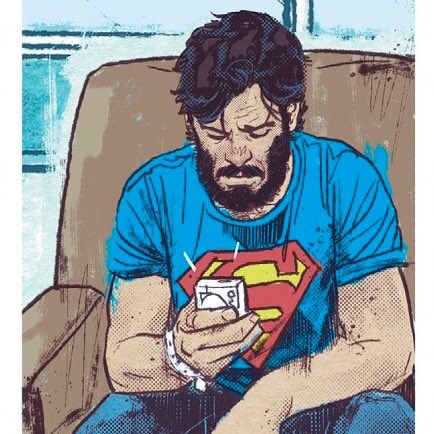
Marvel Ends Its 18-Year Brian Michael Bender (Sorry)

portrait_incredible.jpg

Marvel Comics is waking up today, hungover after an 18-year Brian Michael Bender (sorry, couldn’t help it). Just imagine, there Marvel is in NYC, blinds drawn and AC up, shaking off cobwebs and trying to piece together the fog. It started innocently enough, a few rounds of a modern take on Spider-Man, then there was a Daredevil run everyone seemed to love, chased by Jessica Jones in Alias (which brought the Bender to a sloppy place in a good way), and, finally, shots of Avengers, X-Men, and Guardians of the Galaxy, plus an Iron Man nightcap.

Now, here we are.

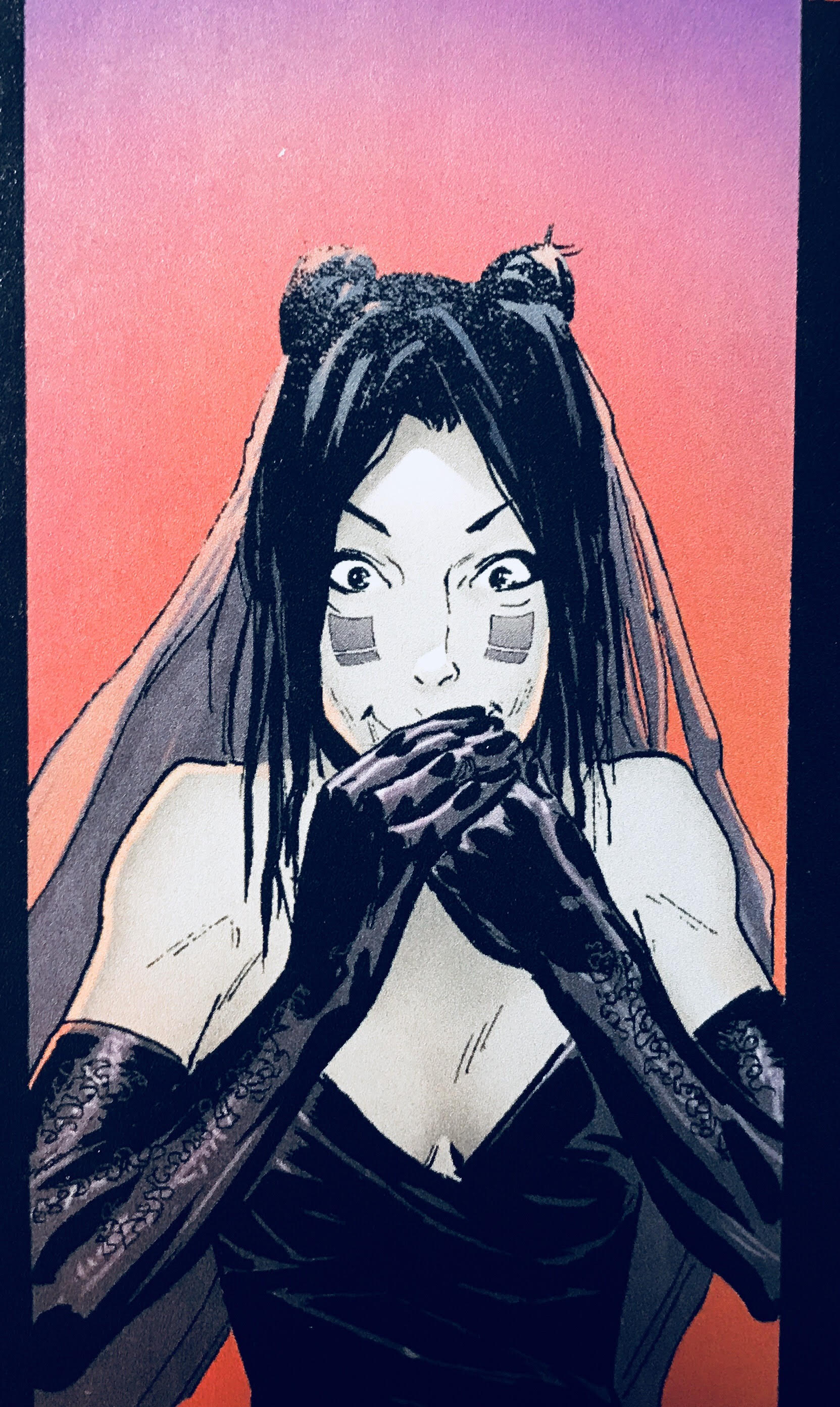
Okay, Bender gimmick over. Thanks for indulging me. Anyway, Brian Michael Bendis’ 18-year tenure as a Marvel-exclusive writer ended Wednesday with Invincible Iron Man #600. For comic fans, it’s not that sad, mostly because next week Bendis will be back with Man of Steel #1 for DC. But for Marvel, the publisher loses a defining voice, a writer who co-created some of its best new characters in years (Miles Morales, Jessica Jones), who enticed talented friends to work there (Jonathan Hickman, Matt Fraction, Kelly Sue DeConnick, plus artists), and whose contributions to movies and TV are evident to anyone deeply-versed in his work.

Yes, Bendis is gone and Marvel has a new reality. Online there has been a bit of negative chatter (shocker!), with some folks saying Bendis will wreck Superman while others insist Marvel has lost all its big talent. I’m a perpetual optimist, admittedly, but I don’t think either of those things are true and here’s why.

My official take is that in a deadline-driven business like corporate superhero comics, it’s easy to get lost in the day-to-day, to only see right in front of your cursor, to lose the creative joy central to storytelling. I’ve spent the past decade writing for three media companies, producing content for newspapers, websites, magazines. Believe me, I know.

Was Bendis burned out at Marvel? He’s a consummate pro and would never say, but all parties seem to realize that Civil War II (2016), which he helmed, was a bit of a dud, and some of his mid-tenure runs at Marvel—X-Men and Guardians—aren’t cited by many as favorites. To my outside eyes, it looked like Bendis over-extended himself in late 2015 and well into 2016, trying to fill the MASSIVE gap left by Jonathan Hickman. Then in the wake of criticism, he stepped his game up and put out some brief-but-excellent work for the publisher, including Infamous Iron Man, The Defenders, and another go around on Jessica Jones.

Brian Michael Bendis

Brian Michael Bendis

Then there’s Marvel. Was it leaning on Bendis? Knowing full-well sales of his books would probably always be stable? Was having ol’ Bendis a crutch? Maybe so. But that said, Bendis departure comes amid a wave of similar exits, including Fraction, DeConnick, Rick Remender, Jonathan Hickman, Kieron Gillen (almost), and Jeff Lemire (almost again). This has all forced Marvel to elevate newer writers perhaps faster than it otherwise would have.

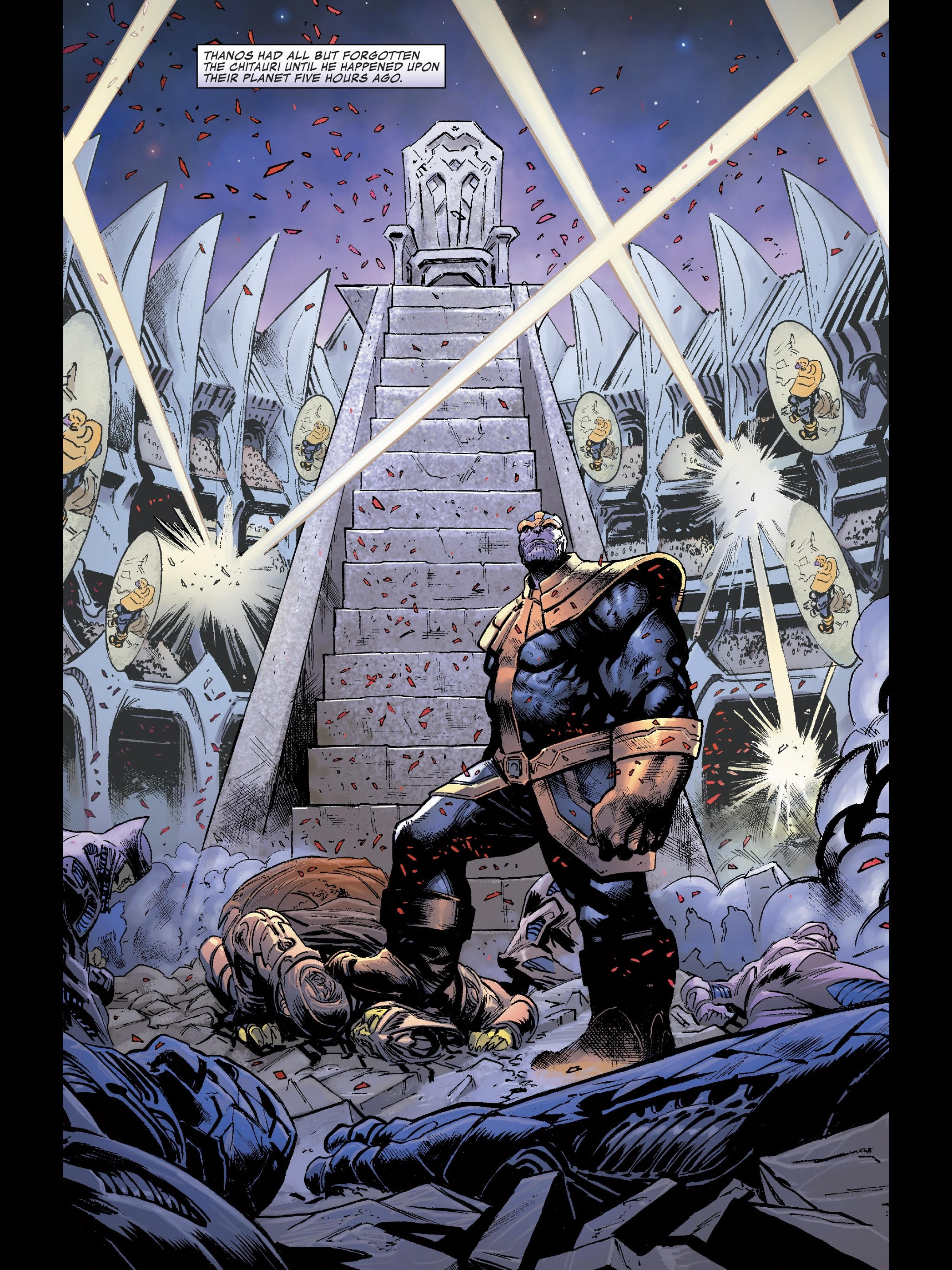
To that end, the whole bye-bye Bendis business has resulted in a spike in creativity, like for example when Donny Cates got Thanos just before Infinity War and told one of my all-time favorite stories with the character, Thanos Wins. It’s led to Kelly Thompson’s relationship-defining mini-series Rogue and Gambit, and to Matthew Rosenberg writing Phoenix Resurrection, firmly in the top tier of X-Men stories of recent years. Oh, and Tom Taylor has turned X-Men: Red into the best mutant book I can remember.  

Going back to the goofy bender metaphor from my lede, it’s a bit like a newly-sober drunk making major life changes because they skimmed rock bottom.

And there’s a lot to like at Marvel now. Here’s a quick rundown of five writers at Marvel I’m looking forward to reading (alphabetically):

  1. Dan Slott on Fantastic Four: I know, Slott is polarizing and (I’ve been told) had some poor moments on social media, but his take on Silver Surfer with Mike Allred is among my all-time favorite superhero stories. I hope he brings the same deeply-personal sensibilities to the first family.

  2. All Things Donny Cates: I loved what Donny Cates did with both Thanos and Doctor Strange, and the new books on his docket look great too, especially the Cosmic Ghost Rider, which grew from Thanos Wins.

  3. More Jason Aaron: Jason Aaron’s Thor run is now Marvel’s best uninterrupted take on any character, and Marvel has now given Aaron the keys to its biggest franchise, The Avengers. More about why I like that here.

  4. Kelly Thompson on West Coast Avengers: I live in California (Sacramento, the most underrated city in that state), and I know the sensibilities here well. The aesthetic of this book and the team lineup is right in line with them, somewhere between madcap fun and social responsibility. Her voice is also perfect. So, big expectations for her here.

  5. Ta-Nehisi Coates on Captain America: This seems like a critical and commercial home run. I’ve had comics out when non-comic guests come over, and Coates' Black Panther is the only one that’s sparked conversation. His name alone is huge. Also, given current social and political climates in the country, Coates as a Pulitzer Prize-winning non-fiction writer should have a relevant and important take on a character long functioning as an analog for the nation, its values, or both.

In terms of Bendis’ future, look—I’ve been reading Bendis’ work since I was 15 and Ultimate Spider-Man #1 hit my local shop with a take on the character I was desperate for then...a modern take that reflected my world. As I went to college, got a job, and met my wife, I kept up with this title throughout, watching Bendis grow as a writer, too. Spider-Man #240 was emotional for me, but the sting was short-lived because I’m following Bendis to his new publisher.
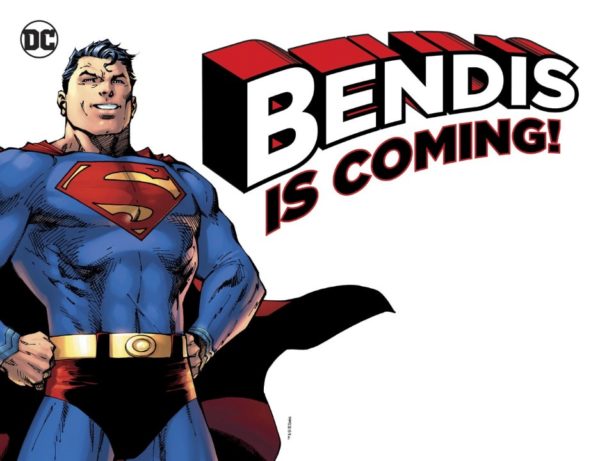
bendis-is-coming-poster-600x461.jpg

He’s written two teasers for Superman so far, which put together total roughly one issue. I liked the fight scene in Action Comics #1000. It had a modern yet classic feel to it, as his best Ultimate Spider-Man work did. I was lukewarm on his depiction of the Daily Planet. My wife and I work in print media (I know, scary), and his newsroom was anachronistic, which took me out of the story. It’s nit picky, and your mileage may vary. There’s also been clamoring online for him to clarify what his plans for Lois Lane (one of my favorite characters in comics). He seems to be dancing around clarifying a narrative twist in interviews. So, here’s hoping months from now we hardly remember this concern.

Overall, I’m bullish on Bendis at DC. I expect the new universe to challenge and rejuvenate him. He may not convert his harshest critics, but I think fans who keep an open mind will find much to appreciate, although isn’t that always the case with comics?

Zack Quaintance is a journalist who also writes fiction and makes comics. Find him on Twitter at @zackquaintance. He lives in Sacramento, California.

Dark Horse Comics’ Black Hammer and Ether: Two Beautiful Stories of Sacrifice

From Ether by Matt Kindt and David Rubin.

From Ether by Matt Kindt and David Rubin.

I recently read one of the best graphic stories to come my way in some time: Ether Vol. 1 by writer Matt Kindt and artist David Rubin. It was about a man who discovers a scientific realm beyond our own, seemingly inhabited by humanity’s notions of mythology. It is a land of living beings, all of whom firmly believe in magic. Our protagonist begins to visit the land and use his knowledge of science to debunk those beliefs and solve crimes there.

This land of mythology is so beautifully-rendered by Rubin. Many panels in this story could stand on their own as independent works of art. Ether, however, is not unique in this way, as many comics these days have a similarly-striking and imaginative visual quality (this is to take nothing away from Ether). Where Ether really stands apart is through the emotional depth Rubin and Kindt aspire to with its story.

That magical land—known to our characters as the titular Ether—moves through time differently, with months in the real world passing for every minute one spends there. When our protagonist first discovers it and begins to visit, he is happily married with a young family. Each of his visits, however, progresses the lives of his wife and daughters by several years past his own. He becomes addicted, their lives slip away from him—heartbreak.

I read this as a metaphor for the plight of anyone who is similarly driven, and as Kindt and Rubin are artists, I presume this metaphor was drawn through their own time lost at the keyboard or the drawing table, travelling through imaginative worlds grown from their own ideas as their families went on without them. As a writer myself, this gave the book—which stands on its own wonderfully as an engaging story rife with heroes and villains and mystery—a haunting undertow as I read, bringing me to tears somewhere during the fourth chapter.

That metaphor, while gorgeous, is not what this piece is about. I assume I’m far from the only one to pick up on it, as critically lauded as Ether has been in comics circles. What I want to unpack today is how another successful Dark Horse Comics property—Black Hammer by Jeff Lemire, Dean Ormston, and Dave Stewart—could be looked at as a companion piece to Ether, another side of the same artistic sacrifice coin.

Black Hammer by Jeff Lemire, Dean Ormston, and Dave Stewart. 

Black Hammer by Jeff Lemire, Dean Ormston, and Dave Stewart. 

Whereas Ether examines the loss of one’s family as a price for spending life engrossed in work, Black Hammer depicts a different sort of creative sacrifice, one that has to do with being lost in the mystique of a craft, a professional culture, a niche artistic medium driven by nostalgia. Black Hammer is the story of a group of superheroes, all of whom are analogs for various characters from the Silver Age of comics. These heroes face down a global threat and find themselves confined to a mysterious farm for their troubles, lost to the world they were defending and stuck in a small rural area that doesn’t seem to be on any map.

It is, quite clearly, a paean by Lemire, Ormston, and Stewart to superhero comics, which all of them have spent parts of their careers within. It’s more than just a reimagining of a classic superhero mythos. See, there is sinister business afoot in Black Hammer, a mournfulness to the plight of the heroes on that farm, only one of whom seems satisfied with life there (and even then, who's to say he’s not deluding himself?).

Read a certain way it almost seems like the question underlying Black Hammer is what do we give up when we fall so fully into our nostalgia for superhero comics, how much of a risk are we at of being swallowed whole by it? It’s a poignant question in an era when vicious battles are waged online about the future of many pop culture properties, battles in which nostalgia is often held as a causation. I can only suppose the question is more poignant for the creators, whose lives work is being given over in part to these characters.

Lemire’s work is always somewhat obtuse in origin, difficult to figure out thematically (in the best possible way), but let's think about the timeline during which he may have conceptualized Black Hammer, which was in all probability near the tail end of his time writing exclusively for Marvel. When Marvel’s All New All Different initiative launched, Lemire was one of the central writers, taking on some of the publisher’s most prominent characters, including one of the central X-Men team books, Old Man Logan, and All New Hawkeye, which was a followup to the immensely successful run on that character by David Aja and Matt Fraction.

Throughout 2016, however, Lemire slowly began drifting off those titles, reducing his Big 2 superhero output to a mere two books today, one of which is yet to be released. It’s not a stretch, in my opinion, to suppose Black Hammer was a manifestation of Lemire feeling creatively trapped, a sense that maybe he was drawn into this work by nostalgia and had professionally been stuck on a farm. I’m not saying I know any of this to be a fact, but I think there’s a case to be made.

I’ll conclude by saying I find both Black Hammer and Ether to be among the most intriguing titles coming to comic book stores each month, and I find important questions for us all within them, specifically: what must aspiring creators be willing to sacrifice for our crafts?; and is there danger or risk of stagnation that could kneecap our futures buried within the warm fuzzy feelings of nostalgia?

I really doubt either book will provide clear or concrete answers for such tough questions—great art is rarely so neat—but I trust there will continue to be a beautiful journey in the asking.

Zack Quaintance is a journalist who also writes fiction and makes comics. Find him on Twitter at @zackquaintance. He lives in Sacramento, California.

tumblr_o8l3mnILGH1s2pnhbo1_1280-1-970x545.jpg

Batman's Booster Gold Arc: The Good, The Bad, & The Sanctuary

Booster Gold in happier times.

Booster Gold in happier times.

Let me just start by saying Tom King is one of my favorite writers in comics. I bought all the single issues plus also hardcover copies of both The Vision and Sheriff of Babylon, and I’d do the same for Omega Men if a hardcover was available. I’ve loved this Batman run overall (Kite Man!), and King’s Mister Miracle maxi-series has gotten a ton of ink (or whatever the digital equivalent is) on this very site. I love Tom King’s work, which is part of why I feel obligated to apply a critical lens to his latest arc in Batman, “The Gift,” which centered on Booster Gold.

In The Gift, Booster and his flying Palm Pilot/best friend Skeet go back in time to prevent the murder of Bruce Wayne’s parents, trying to create evidence of how awful the world would be without Batman in order to present it to Bruce as a gift for his wedding. I’ve got plenty of nit-picks with this concept—was Booster just going to film it and give Bats a video clip? did he plan on later going back to ensure the murder happened? what about Selina? wedding gifts are supposed to be for both the bride AND groom—but this is comics, and we could nitpick everything all day and still not run out of nits to pick, etc.

My central issue with The Gift is the characterization of Booster Gold. In The Gift, Booster is reckless and—to be blunt—kind of dumb. Even when the world has gone to ash around him and he’s got multiple deaths on his conscience, he’s wisecracking about how he should have just gone with a cheese tray, written closer to Deadpool or Harley Quinn than the character we’ve seen in the past. It’s a far cry from the bleak but tragicomic genius we’ve seen in books like The Vision or Mister Miracle.

STL081174.jpg

To me, Booster Gold has always been a tragic hero, though, one who is undone more by cutting corners, hubris, and bad luck than his own wanton stupidity. Born in the future as Michael Jon Carter, he was a star quarterback who got caught betting on his own games (at the behest of his lousy and I think also alcoholic father). So, he stole a bunch of super advanced tech and fled to the past, where he re-branded himself as a superhero and used his knowledge of other heroes there to his advantage. Also, he wanted to regain his lost fame, riches and fortune.

None of that is all that stupid. Narcissistic and selfish, perhaps, but also clever and calculating. As a result Booster is often depicted with a mix of daddy issues and imposter syndrome, which making him highly relate-able. A hallmark of his character over the years has also become his respect for the delicacy of the timeline, something that was even depicted well in the last 18 months or so in an Action Comics arc written by Dan Jurgens (the greatest Superman writer of our generation), in which Booster essentially stands up to Superman, who’s trying to save his own parents. It just isn't consistent that a Booster who recently went through that would then turn around and initiate the same idea as a wedding gift for Batman, even if he did intend to undo it.

My first inclination was to chalk this up to rushed writing, to King trying to spin the wheels on Batman for a few issues and bridge the way to No. 50. The more I contemplate this, however, the less I think that was the case. The end of The Gift leaves Booster a broken man, one vigorously cleaning a nigh-invisible splotch of blood left on his golden visor, which is hardly an ending at all. King, however, has shown himself to be expertly adept at ending arcs and story threads with the best in the business, and here there's almost no closure. King leaves us disturbed and a little perplexed, an odd note for a writer who has consistently tugged on reader emotions with subtle and savvy bits of narrative genius.

What I think is far more likely is that this is the start of a King story rather than the end of one. Now, this idea that The Gift is a seed for a larger Booster Gold arc rather than a simple guest spot in Batman isn’t all that original, not at this point. Outlets from Bleeding Cool to CBR have posited much the same, presenting more than enough evidence from King’s Twitter feed to back up their hypothesis. The standard line of thinking has quickly become that Booster Gold will be headed for King’s next concept, a PTSD clinic for superheros dubbed Sanctuary, and I’m on board with that. I certainly trust King—a man who has been to actual war—to tell that story and to tell it well.

What I would caution as a reader, however, is that there is a danger in making nuanced characters a blank slate defined by recent pain and suffering. As we saw in The Gift, it leaves entire plot points open to feeling contrived and insincere. One of the things that worked so well within DC's Rebirth was a strong emphasis on the core concepts of characters. To throw that away—even for an idea as strong as Sanctuary—seems like folly. And really, for an in-continuity, shared universe story like this one, it’s probably on the editor to enforce character growth and consistency from Action Comics to Batman to whatever comes next, etc.

One of the best Batman variant covers in recent memory.

One of the best Batman variant covers in recent memory.

But hey, enough with the negativity! King's scripts have a high bottom line for quality, and the artwork by Tony S. Daniel and Sandu Florea was great. Overall, King’s batting average is still really high on Batman, a book for which he must produce two scripts a month, no easy task for any writer, and I for one firmly believe that this wedding is going to be fantastic. I recently re-read Batman Annual No. 2, and it's still one of the best Batman stories in years, as well as one of the best Bat-Cat stories period. The Batman/Elmer Fudd Special is also a modern pop art classic, wonderfully-bizarre in conception and pitch perfect in execution, just downright great comic book-ing. Basically, for every Booster Gold fumble, there is an equal or greater Kite Man. King is also pretty busy right now—planning a wedding is never easy.

Zack Quaintance is a journalist who also writes fiction and makes comics. Find him on Twitter at @zackquaintance. He lives in Sacramento, California.

4 Things Jason Aaron Got Right About The Avengers

On Wednesday, Marvel Comics ushered in a new era for its flagship team book The Avengers, releasing a new No. 1 issue from writer Jason Aaron, artist Ed McGuinness, inker Mark Morales, and colorist David Curiel. The book built on plot points Aaron originally dropped in the massive Marvel Legacy one-shot last fall, and it marked the debut of this year’s new Marvel season, Fresh Start (although, no mention of Fresh Start was made by the book’s marketing, which I found interesting...).

Most importantly, however, this comic book was actually really very good. For real. The art team was cohesive and precise, giving the over-sized debut a polished feel, an almost high-budget aesthetic that seemed to declare this is THE Marvel book of the hour. What I found most engaging, however, was that Aaron’s plot and script seem to understand the enduring appeal of The Avengers in a way recent incarnations of the team have at times missed.

And that’s what we’re talking about here today. This book is not a throwback, not exactly—despite the traditional core of the team returning—but it does pay homage to some the most beloved and enduring aspects of The Avengers, without at all feeling dated in the process. Here are four of the major elements Aaron and the team simply get right about The Avengers... 

1. The Threat

The Avengers were formed originally because there was a threat that demanded they exist. In recent years, however, I think the concept has become a bit perfunctory, taking a wink-and-nod attitude that the team exists because the publisher, the fans, or whoever else expects/demands it. This book immediately gets away from that, establishing a convincing and compelling threat that spans millennia and brings our team together, even if some of them would rather not (more on that in a second).

This galvanizing threat is what made Avengers #1 work so well for me as a reader. I enjoyed Mark Waid’s preceding run on the franchise. I mean, he’s Mark Waid, and he just gets superheroes, but under Waid the book always seemed like an auxiliary title, rather than the publisher’s flagship, as that honor seemed to go to whatever event was beginning, middling, or ending (usually middling—boom, roasted!). In summation, Aaron’s run seems to be at the forefront of the publisher, giving it an exciting and dynamic sort of energy.

2. The Reluctance

Reluctance has been part of The Avengers DNA since the early years, when the original lineup minus Steve Rogers quit, leaving Cap to marshal a group that included Hawkeye, Quicksilver, and Scarlet Witch, all of whom were at that time villains. We get that reluctance here early and often, starting with a great buddy-buddy-buddy scene where Steve Rogers, Tony Stark and Thor Odinson meet in a bar for a beer, a shirley temple, and roughly three giant flagons of mead, respectively.

Just a few old friends, not wanting to be Avengers while having a drink at a bar called Aaron's.

Just a few old friends, not wanting to be Avengers while having a drink at a bar called Aaron's.

Not only is this reluctance foundational to The Avengers, it is in many ways the heart of Marvel superheroes all together, the main thing separating them from DC, whose heroes mostly run, fly, or grapple-hook eagerly into battle. Marvel heroes by comparison are more real and more flawed, like all of us, and they don’t always rise immediately to the occasion, like all of us again, with, of course, a few exceptions—thinking here of Carol Danvers. Aaron gets that right throughout, and his debut issue of The Avengers is better for it.

3. The Relationships

Avengers 2.png

All great teams have iconic relationships, be it the antagonistic banter between The Thing and Human Torch in Fantastic Four or the love story between Midnighter and Apollo in The Authority. I think it’s fair to say, however, that The Avengers have slightly more characters with special connections to their teammates, characters like Giant Man and The Wasp, or The Vision and Scarlet Witch, or Wonder Man and The Beast.

Right off in this debut issue, Aaron makes great use of existing bonds, specifically those between Captain America, Iron Man, and Thor, while also laying groundwork for some new ones. My favorite scene in this entire book was actually when T’Challa and Doctor Strange used their individual expertise together to investigate a shared concern. It’s a somewhat odd pairing, I suppose, but it yielded surprising chemistry. I’m really hoping for more of that kind of interaction.

4. The Rotation

My all-time favorite run on The Avengers was by Kurt Busiek and George Perez in the late ‘90s, and part of what I liked about it so much was the feeling that week-to-week the team’s roster was dynamic, that new members could be incoming and existing heroes could be on their way out of the mansion. Mark Waid did a bit of this in his run, although it really amounted to just one big splinter when the younger heroes departed to form The Champions.

Going into this book, however, Aaron has said in interviews that one slot on the team will be essentially reserved for a rotating member, and for this first arc that slot goes to Doctor Strange. I like that idea, although my hope is that the rotating concept is a wider one, not limited to a neat one-in, one-out setup that takes place like clockwork each time we start a new arc. I’d rather see roster churn happen organically (and maybe even surprisingly) as a result of our plot.

Plus, One Minor Complaint

So, I guess everyone—characters, writers, publisher, fans—is just fine now about the whole Hydra Steve business? I know this is comics and change is the only constant and HUGE events one month have little impact the next, but this man was seething with evil to the point he oversaw the destruction of a major American city, like as recently as last year, which is even shorter in comic book time.

Obviously, we have to get this behind us, and Secret Empire did the heavy narrative lifting after its climax to explain what happened and get us moving in a better direction. Plus, we got a brief and rehabilitative Captain America run from Waid and superstar artist Chris Samnee. Still, all I’m saying is a bit more of a grudge held by other heroes might feel cathartic for us all, regardless of what our feelings were toward Secret Empire as a concept. The good news is this is just one issue, and there’s still time to dive deeper into that idea, plus other dynamics. I know I, for one, am looking forward to Aaron unpacking the presumably large baggage between Tony and Carol following the second superhero Civil War.

Zack Quaintance is a journalist who also writes fiction and makes comics. Find him on Twitter at@zackquaintance. He lives in Sacramento, California.

REVIEW: Justice League of America #28 by Steve Orlando and Hugo Petrus

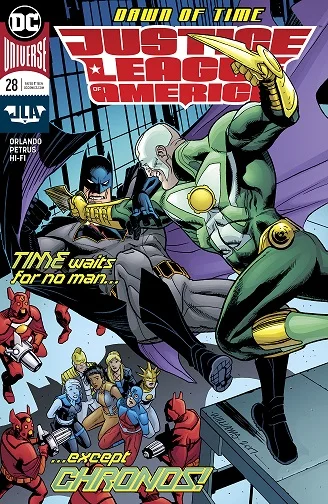
Justice League of America #28 by Steve Orlando (w) and Hugo Petrus (a).

Justice League of America #28 by Steve Orlando (w) and Hugo Petrus (a).

After the previous issue of Justice League of America setup Chronos as one of the most dastardly villains in the DC Universe, this one went ahead and solidified his terror. What really did the trick for me wasn’t Chronos’ typical villain dialogue, which was well done and included both taunting the heroes and telling henchmen to shut up. It also wasn’t the way Chronos took the fight to the JLA via a literal army of sycophants from throughout history (a classic move used often at Marvel by Kang the Conqueror). What made Chronos so compelling to me was the triviality of his motives. He seemed to embrace and own his status as a straight up bad guy (a fitting motif given our current political climate but that’s another discussion…).

As I noted in my review of issue #27, Steve Orlando is a writer who really lives in the heads of characters he writes, giving his books a more well-rounded feel than most, a sense that even small lines and brief actions matter, even if it’s just to create a more robust picture of what’s happening in this world with these people. There have been signs that Chronos was a petty man from the start, that his motives were entirely vindictive, and that he was messing with the God of superheroes, Ahls, simply to humble the League and take them down a notch for being altruistic, which has been a recurring motif in this run.

By the end of this issue, Chronos all but confirms as much, with Ryan Choi subsequently noting that Chronos had started as a petty thief, a dim man with a chip on his shoulder for being degraded by the superior intellects of first Ray Palmer and now Choi. This is all very much in keeping with behavior we’ve seen from Chronos, and it’s yet another example of what I’ve often said about Orlando’s JLA: it’s a well-wrought and complex run that rewards readers for investing deep levels of focus and attention.

Another thing I’ve really enjoyed about this current arc is that it leans in to being a story of superheroes. Orlando is also a writer with real passion for the tradition of his work, often taking close consideration of continuity when scripting character interactions. This passion shows in the lack of cutesy winking found in JLA. This is a book that takes story very seriously, and, as a reader, it’s hard to not follow suit. Of the talented artists Orlando has worked with throughout this run, Hugo Petrus’ work best embraces this total buyin. There are some truly fantastic superhero panels here, including one of a battle in which Black Canary lunges from the foreground at a foe, giving us a glimpse at an immense and impressive depth of field.

Overall: Justice League of America #28 is the penultimate issue of a book that has been a real treat, and I’m sad that things have to end. Not many of the characters from this team have been teased as part of the League moving forward, with the exceptions being Batman (of course) and Lobo, who is at least involved with No Justice. Still, getting nearly 30 issues with this eclectic and disparate group has been a treat, and issues like this illustrate why. 8.8/10

Zack Quaintance is a career journalist who also writes fiction and makes comics. Find him on Twitter at @zackquaintance. He lives in Sacramento, California.

Best Action Comics #1000 Variants (and Why We Love Them)

The first major comic I read as a kid was Superman #75. This isn’t unique to me. Released on November 18th, 1992, that book was the culmination of the Death of Superman, in which Supes and beastly kill machine Doomsday perished at each other’s hands. I was 9 and not exactly an active participant in our economy, so I had to read a copy belonging to a friend’s older brother in the basement of their house. I can still smell must mingling with that glorious new comic aroma.

It was formative. I loved Superman almost as much as I did my parents (again, I was 9). Every page in the book was a single panel; this was something special, something epic and grandiose. There had even been stories on the news—TV and print—about the gravitas of it all. Basically, it felt like we’d never see a comic so huge again, and I’d argue that we haven’t.

You can make a case for other books in the past 25 years being more influential or important, but it’s hard to argue another comic has garnered as much attention upon release as Superman #75—until now. Enter Action Comics #1000.

Landing on April 18, 2018, just shy of 80 years since the landmark Action Comics #1 launched the superhero concept, this book will celebrate all things Superman, and, in many ways, all Superman has given rise to, including superheros, shared universes, accessible science fiction, and so many allegories about hope. To mark the occasion DC has tapped a veritable army (or at least a squad) of the best artists in comics to do variant covers.

A cynical view is that DC is simply milking this achievement for every last dime, and, for sure, these variants are a sure fire way to bank. The more optimistic take, however, and the one more fitting for Superman, is that each of these artists had a moment like I did when I was 9, a moment blending an intense love of the character with a sense that his adventures were meaningful, and that these variants each represent that feeling, that formative bit of our histories put to paper.

Anyway, there’s no denying these covers look great, which is why today we’re taking a look at some of our favorites, and sharing a few thoughts about what makes them special.

Behold! In no particular order our favorite Action Comics #1000 variants:

Newbury Comics Variant by Patrick Gleason

One of the best parts of DC’s Rebirth publishing initiative (which is essentially ending with Action Comics #1000, but that’s a whole other story…) was how it revitalized Superman by putting his wife Lois and son Jon back into his life. Patrick Gleason, the artist responsible for this cover, was vital to that run, which he commemorates beautifully here, depicting Superman, Lois Lane, Jon, Krypto, and the flag of the good ol’ U.S. of A.

Newbury Comics retailer exclusive variant by Patrick Gleason.

Newbury Comics retailer exclusive variant by Patrick Gleason.

1960s Variant by Michael Allred

Of course Michael Allred (one of my favorite artists in comics) did the 1960s variant, of course he did. His kitschy pop art aesthetic is a perfect fit for Silver Age Superman, from the beefy stature, to the colorful details, to the spiderweb of panels showing the most beloved and maligned of 60s Superman tales (Lori Lemaris!). I wasn’t a big fan of the other cartoony Action #1000 variants, largely because of my firm belief that this one is absolutely perfect.

1960s decade variant by Michael Allred.

1960s decade variant by Michael Allred.

Kings Comics Sydney Variant by Nicola Scott

One idea permeating Action Comics #1000 is that Superman is character with strong core values, but also one that remains malleable to best fit the present decade. You can really see subtle ways he’s changed from decade to decade here, be it through his hair, logo, facial structure, and, yes, The Trunks. Superman is also a character built on hope, and the Superman in the forefront of Scott’s wonderful piece looks more hopeful than any of his predecessors, as if he has learned from recent mistakes of the past (ahem, no trunks), and is still determined to make tomorrow better. That’s a thought that gives me goosebumps.

Kings Comics Retailer Variant by Nicola Scott

Kings Comics Retailer Variant by Nicola Scott

1980s Variant by Joshua Middleton

This cover really lives in the decade it depicts (look at Lois’ blouse, hair, makeup!), with an aesthetic best described as Deathly Sincere 80s Adventure Movie Poster. It also, however, has a timelessness to it. See the facial expressions that perfectly capture the essences of Superman (determined and brave, charging off toward peril), Jimmy (wow!), and Lois (confident and ready, pen poised). Oh, and then there’s Luthor speeding across the frame while a terrifying visage of Braniac looms high above all. Wonderful.

1980s decade variant by Joshua Middleton.

1980s decade variant by Joshua Middleton.

Third Eye Comics Variant by Kaare Andrews

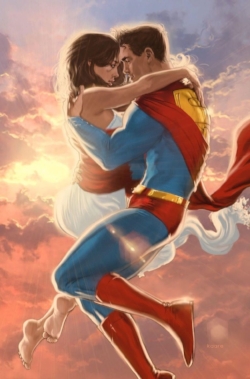
Okay okay, so I said these were in no particular order, but I have to admit this cover is my top choice. Besides from just being straight-up gorgeous, it speaks to one of my favorite things in all of comics: the Superman-Lois Lane relationship. I’ve written about this at length, so I won’t belabor it again, but Superman without Lois Lane is hardly Superman at all. She’s been there from issue one, so having her central was always going to be a must for my favorite cover.  

Third Eye Comics Retailer Variant by Kaare Andrews.

Third Eye Comics Retailer Variant by Kaare Andrews.

Forbidden Planet Variant by Jock / Bulletproof Comix Variant by Gabriele Dell'Otto

I don’t really have deeper thoughts about either of these, other than “Hoo boy, look at this!”

Forbidden Planet Retailer Variant by Jock.

Forbidden Planet Retailer Variant by Jock.

Bulletproof Comix Retailer Variant by Gabriele Dell'Otto.

Bulletproof Comix Retailer Variant by Gabriele Dell'Otto.

1990s Variant by Dan Jurgens and Kevin Nowlan

I'd like this one quite a bit more (heavy Lois presence and all) if not for the Kaare Andrews cover, which I like better.

1990s decade variant by Dan Jurgens and Kevin Nowlan.

1990s decade variant by Dan Jurgens and Kevin Nowlan.

Zack Quaintance is a career journalist who also writes fiction and makes comics. Find him on Twitter at @zackquaintance. He lives in Sacramento, California.
The Miracle of Life: A Look at the Ties that Bind in Mister Miracle

It’s difficult to explain what you think is going on in Tom King and Mitch Gerads’ Mister Miracle. You might disagree, but think about it. First, you’d have to be able to convince yourself what exactly you think is going on. Try doing that, and then go back and try again. I bet you’ll create enough doubt, or straight confusion, that you won’t be able to put it together well enough to explain the overall story of the series. 

Now, of course, that isn’t to say that you couldn’t just go back and lay out the plot points as they occurred and then tell somebody what happened page by page. I mean yes, in that regard, you could tell somebody what occurred page by page. But, what is that weird thing that happens in some of the panels where they distort visually? You know, like when an old VCR had trouble with a video cassette – it kills me that some of you won’t get that reference – or when the Blu-Ray skips. Wouldn’t you call that a distortion in the reality of the series? So, go ahead and tell me what you think is happening again. 

Regardless of what is going on in the story – I’m sure we will be able to begin to piece it together soon as the series just hit its halfway mark – there is one theme that is persistent and undeniable. Whatever is going on with Scott Free, family is surely one of the most important aspects of it. You might say that yes, that’s pretty obvious, but let’s look closer at his relationships in this series. 

IMG_4241.JPG

WARNING: Spoilers are below, so read the issues first!

1.) Highfather: Scott Free’s own biological father is notably absent in this series. He is mentioned in the first issue before being reported dead by Orion – the work of Darkseid, apparently – and sparking the final war with Apokolips, that Scott and Barda find themselves in. Nothing like daddy issues to really get a character moving, am I right?

2.) Darkseid: Scott’s adoptive father, I guess, and ruler of Apokolips. His presence can be felt throughout the entire series. Even though he is only shown in one panel – so far – Darkseid’s reach is far and strong. He is apparently the murderer of Orion, but if you ask him what he’s done he will tell you that Darkseid doesn’t do. Darkseid is. I doubt you’ll forget that powerful moment in the series. 

3.) Granny Goodness: I’m going to say this flat out, Granny is a mind f@*k in this series, so far. When she meets with Scott and Barda, she treats them with a kind and nurturing demeanor that you would expect from a good granny, but it isn’t long before she mentions her past tortures of the pair while simultaneously starving one of their comrades to death; this is all while they eat like a family. She alludes to Scott that he is actually her son and maybe, just maybe, Highfather wasn’t his real father after all. She mentions some prophecy to Scott that also insinuates that Darkseid is his real father just before Barda viciously beats her to death. Too bad she couldn’t spill any more secrets with some of her innards. Scott’s only maternal figure is taken away from him, by his wife. Which seems to fit the natural order of things for the New Gods. 

5.) Orion: Scott’s brother, although not biologically. He is the pinnacle of a dickhead. I mean, he sentences Mister Miracle to execution. He is exactly the type of character that you expect your older step-brother to be. He is harsh, demanding, and abusive. He clearly wants to lead, and briefly does but at dear costs to New Genesis’ war efforts against Apokolips – just ask Forager. He is the force that Scott must answer to for much of the story so far, and yet Scott tolerates and even defends him. His brotherly love and respect for Orion is apparent from issue 1, and his death obviously affects Scott. So much so that when he dies at the end of issue 6, we instantly get a new life in issue 7. Thus, filling the void that Orion has left. 

4.) Big Barda: Scott’s loving wife. Barda knows exactly what Scott needs when he doesn’t himself. She is soft and caring, yet stern and demanding when the time is necessary. She may not know why Scott tried to kill himself, but she certainly doesn’t seem too concerned about getting to the bottom of it either. All Barda seems to be interested in is enjoying every moment she can with Scott, whether that’s as warriors or lovers. If Scott is escaping Death in this series, I think the argument could be made that Barda is his ideal source of Life. 

5.) Jacob: The son of Mister Miracle and Big Barda. He is born at the end of issue 7 and he is just perfect. Well probably, there are some ominous things that are surrounding the new little guy. If you look closely on a heart monitor the omega symbol is present in one of the panels. This monitor was specifically monitoring Jacob’s heart before he was born. Also, Scott had to cut the cord from around Jacob’s neck with The Fahren-Knife – forged from the hide of Darkseid by Desaad – which supposedly burns you from the inside out. At the end of the issue he doesn’t seem to have any ill effects, though he does begin to cry as the chapter comes to a close. Foreshadowing much?

6.) The Female Furies: Oddly, we don’t really get to see the Furies until this point in the series. It’s incredible that they are Darkseid’s honor guard that are sworn to kill his enemies, and yet they show up to support the birth of one of their former member’s child. Their disgraced and treasonous former leader to be exact. While they don’t have a close relationship with Scott, who seems uninterested in their arrival, they do represent a lot for Barda. They are where she came from, who she used to be. The Furies operate as a great foil for her while also conveyingthe strength of the bond of family. 

The theme of Family and its importance in this story can’t be denied. In fact, every time Scott is faced with a problem, he turns to Barda. They even start a family in the middle of a New God war. It’s interesting that it’s as a family man, that Mister Miracle starts to become miraculous again and not just be the same old same old character we’ve seen for years. 

As I wrap up, I’ve noticed a few things to continue to look out for in the series:

  • Barda’s eyes keep changing color from brown to blue. Scott even mentions it in issue one and he is right, they do keep changing color at interesting moments.

  • The “Darkseid is.” panels seem to show up whenever Scott is making a decision. The most recent and prime example is when he decides to use the Fahren-Knife to cut the cord on Jacob and save his life.

  • The Face of God that Scott isn’t supposed to see – or maybe is – keeps popping up. It’s foremost in issue one and is the last thing he sees in issue six.

  • A small detail, but Scott is referred to as High Father for the first time in the same issue that his son is born. That’s either important or a very nice touch by Tom King.

Hopefully, these will begin to reveal some more about the story soon. Either way, it’s been a great ride so far, and I look forward to how it continues. 

Brandon Evans is a freelance writer and comic book lover from St. Louis, MO. He is currently working to find his way into the comic book industry. You can find him on Twitter as @writingbrandon